Looking For In Home Care? Here Are 10 Things You Should Know About Aging in Place
If you've recently noticed your mom is getting a bit more forgetful, or your dad is struggling to keep up with the stairs, you aren't alone. It's that season of life many of us reach: the "sandwich generation" moment where we're balancing our own lives while trying to figure out the best senior care for the people who raised us.
When the conversation about "moving" comes up, it's usually met with a lot of resistance. And honestly? We totally get it. Who wants to leave the home they've lived in for thirty years? This is where the concept of "aging in place" comes in.
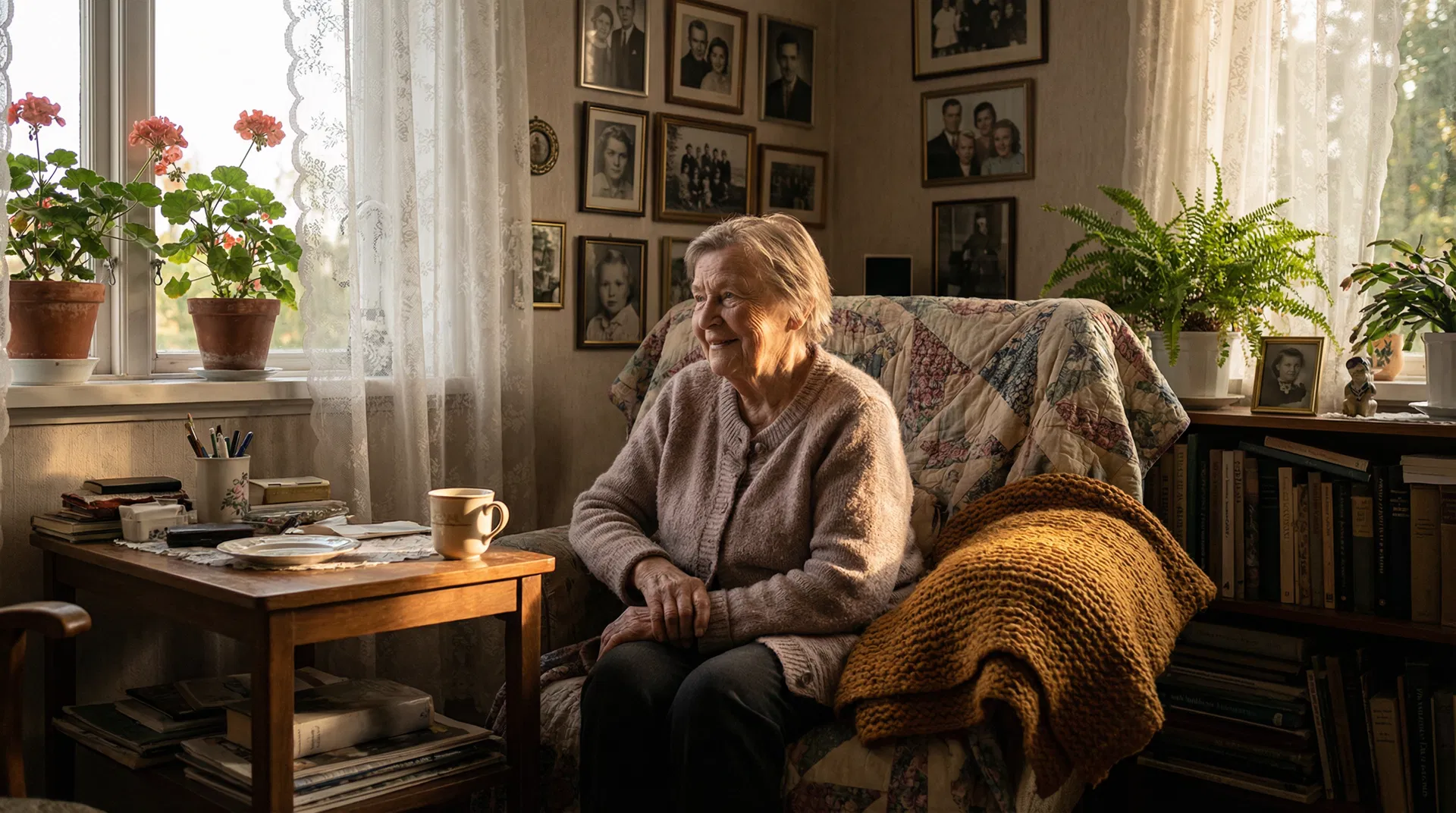
Aging in place is a fancy way of saying "staying at home." It means your loved one continues to live in their own house while getting the support they need to stay safe, healthy, and happy.
Before you dive head-first into hiring home care services, there are a few things you should know. Here are 10 essentials to help you and your family navigate the world of in-home care and aging in place.
It's All About Independence
The biggest fear most seniors have when talking about senior care is losing their freedom. They imagine a facility where someone tells them when to wake up, what to eat, and when they can go for a walk. Aging in place flips that script. It's designed to empower your loved one. They stay in control of their daily schedule. If Grandma wants to have breakfast at 10 AM while watching her favorite game show, she can. Having home care doesn't mean someone is taking over their life; it means someone is there to handle the "tough stuff" so they can keep enjoying their independence.
Emotional Comfort is a Huge Win
There is a specific kind of peace that comes from being in a familiar space. Think about the height marks on the doorframe from when you were a kid, the specific way the sunlight hits the kitchen table, or even the smell of the garden out back. These things aren't just "stuff": they are anchors. For a senior, these familiarities provide a deep sense of security. When a person feels safe and comfortable, their stress levels drop significantly. This emotional stability is one of the greatest benefits of choosing in home care over moving to an unfamiliar facility.
It Can Be Much Easier on the Wallet
Let's talk about the elephant in the room: cost. We all know that assisted living facilities and nursing homes can be incredibly expensive, often costing thousands of dollars every single month. Aging in place can often be a much more affordable route. Because you are only paying for the specific home care services your loved one actually needs — whether that's someone to help with groceries a few times a week or a daily visit for medication reminders — you can control the budget much better. You aren't paying for a room, a massive staff, and amenities they might not even use.
You Can Customize the Care
One size definitely does not fit all when it comes to senior care. Every family is different. Some seniors are physically great but need help with cognitive reminders. Others are sharp as a tack but need help with mobility or bathing. With in home care, the support is totally customizable. You can start small with companionship (someone to chat with and help with light chores) and scale up to more intensive health support if their needs change over time. It's a "meet them where they are" approach that keeps things simple and manageable.
It Protects Cognitive Health
If your loved one is dealing with early-stage dementia or general memory loss, their environment matters more than ever. Familiar surroundings act as "memory cues." They know where the bathroom is by heart. They know which drawer holds the spoons. In a new environment, those cues disappear, which can lead to confusion, agitation, and a faster decline in cognitive health. By aging in place, those daily routines stay intact, which helps the brain stay engaged and reduces the "brain fog" that often comes with a major move.
Surprisingly, It Can Be Safer
You might worry that your parent is "safer" in a facility with nurses down the hall. While facilities have their perks, studies show that seniors are actually less likely to fall in their own homes. Why? Because they know the layout. They know exactly how many steps are between the bed and the door. Falls are one of the leading causes of hospitalization for seniors, and being in a known environment significantly lowers that risk. When you combine that familiarity with a few smart home care safety checks, the home becomes a very safe sanctuary.
Staying Connected to the Neighborhood
Moving to a facility often means leaving behind neighbors who have become friends over decades. It means leaving the local church, the nearby grocery store where the cashier knows your name, and the park where they take their morning walk. Aging in place allows your loved one to stay plugged into their community. Social isolation is a major health risk for seniors, leading to depression and physical decline. By staying home, those existing social ties remain strong. Plus, it's much easier for grandkids to pop over for a quick visit when Grandma is still in the same house!
Better Mental Health Outcomes
The transition to a "home" can be traumatic. It can feel like a loss of identity. On the flip side, seniors who age in place often report higher levels of self-worth and happiness. They feel like they are still "part of the world" rather than being tucked away. Lower stress isn't just a mood booster; it has physical benefits too. Reduced stress is linked to lower blood pressure and better heart health. When your loved one feels in control of their environment, their mental health thrives, which makes your life as a caregiver a whole lot easier, too.
Physical Health Often Improves
When someone receives home care, they are getting one-on-one attention that is hard to find in a crowded facility. This means their diet is more personalized, their hygiene is more closely monitored, and any changes in their health are caught much faster. Caregivers can help with physical therapy exercises, ensure they are drinking enough water, and make sure medications are taken exactly as prescribed. This level of focused attention often leads to better overall physical outcomes and fewer trips to the emergency room.
You Might Need to Make a Few Changes
While we love the idea of aging in place, we have to be realistic. Most houses weren't built with 80-year-olds in mind. To make this work long-term, you'll likely need to look at some "home modifications." Don't worry: this doesn't always mean a total renovation. It could be as simple as installing grab bars in the shower, improving lighting in hallways and entryways, adding a ramp to the front door, or moving a bedroom to the first floor to avoid stairs. Investing in these small changes now makes aging in place a much more viable and safe long-term solution.
Taking the Next Step
Deciding on the right senior care path is a big deal, but it doesn't have to be overwhelming. If your loved one wants to stay home, and you want them to be safe, home care is often the perfect bridge. At The Golden Connection, we believe that staying connected to home, family, and community is the best way to spend those golden years. It's about more than just "care" — it's about quality of life. If you're feeling a bit stuck or just want to chat about how in-home care might work for your family, reach out. We're here to help you navigate this journey with a little less stress and a lot more heart.
Not sure where to start?
The Golden Connection offers free consultations to help families understand their options. Our placement services are always completely free to families — we're here to help, not to sell.
Schedule a Free Consultation